
Details
Our Blog Post Details
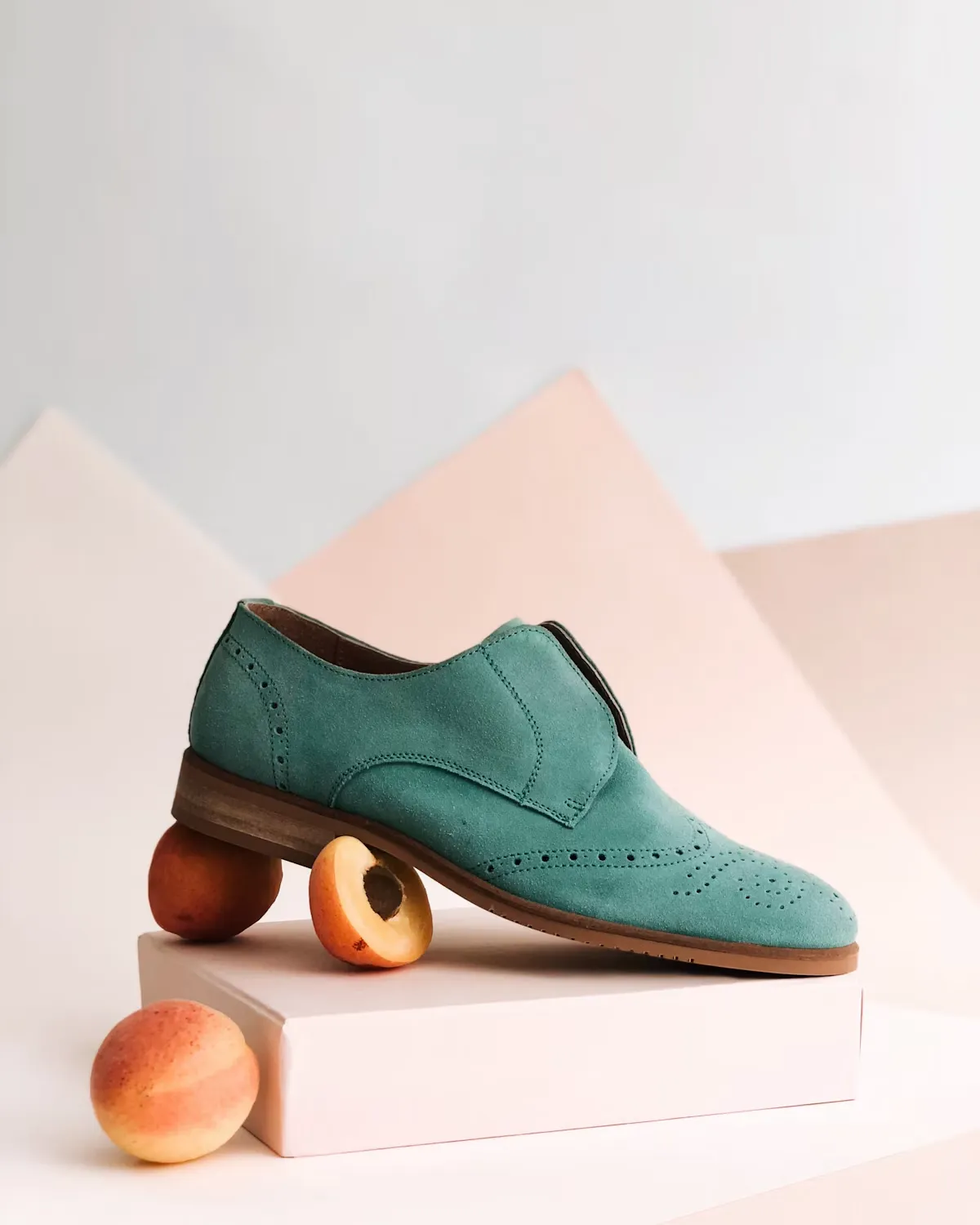
How to Choose the Right Shoes: A Practical Guide
Start with the fit. A shoe that looks excellent but pinches the toes or slips at the heel will stay in the box. Measure both feet — most people have one foot slightly larger than the other — and always fit to the larger foot. Try shoes at the end of the day, when feet are at their largest.
Match the shoe to its purpose. A sneaker built for daily walking, a sandal for hot weather, and a dress shoe for formal occasions are designed around different needs. Buying one pair to do everything usually means it does nothing well.
Look at the material and the sole. Leather and quality knit uppers breathe better and shape to the foot over time. A stitched or well-bonded sole outlasts a poorly glued one. Flex the shoe in your hand: it should bend at the ball of the foot, not in the middle of the arch.
Finally, think about rotation. Wearing the same pair every single day wears it out quickly. Two or three pairs used in rotation last far longer than the same pairs worn one after another.